Get Fence Sealing
Fence sealing services offered by local contractors help protect fences from weather damage, prevent rot and decay, and extend the lifespan of wood, vinyl, or metal fences.
Property owners considering fence sealing services often seek practical solutions to extend the lifespan and appearance of their outdoor structures. Properly sealed fences can help protect against weathering, moisture damage, and pests, making maintenance easier and preserving property value. Exploring local contractors who specialize in fence sealing allows for comparisons of expertise and service options, ensuring that the project aligns with specific needs and expectations.
Whether planning a new sealing project or maintaining an existing fence, reviewing local service providers can provide valuable insights into available services and approaches. By connecting with experienced local contractors, property owners can find the right professionals to handle their fence sealing needs efficiently and effectively. Keep reading to learn more about how local experts can support your property’s outdoor maintenance goals.
- New Fence Installation - when installing a new fence to define property boundaries or enhance privacy.
- Fence Repair - after damage from storms, accidents, or wear that compromises fence integrity.
- Fence Staining and Sealing - to protect wooden fences from weathering and extend their lifespan.
- Fence Maintenance - for routine upkeep to prevent deterioration and keep fences looking their best.
- Fence Restoration - when restoring aging or damaged fences to improve appearance and durability.
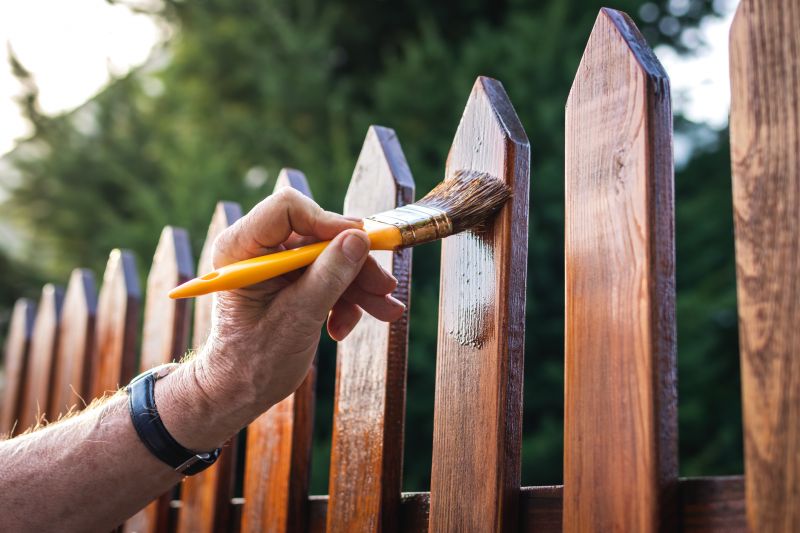
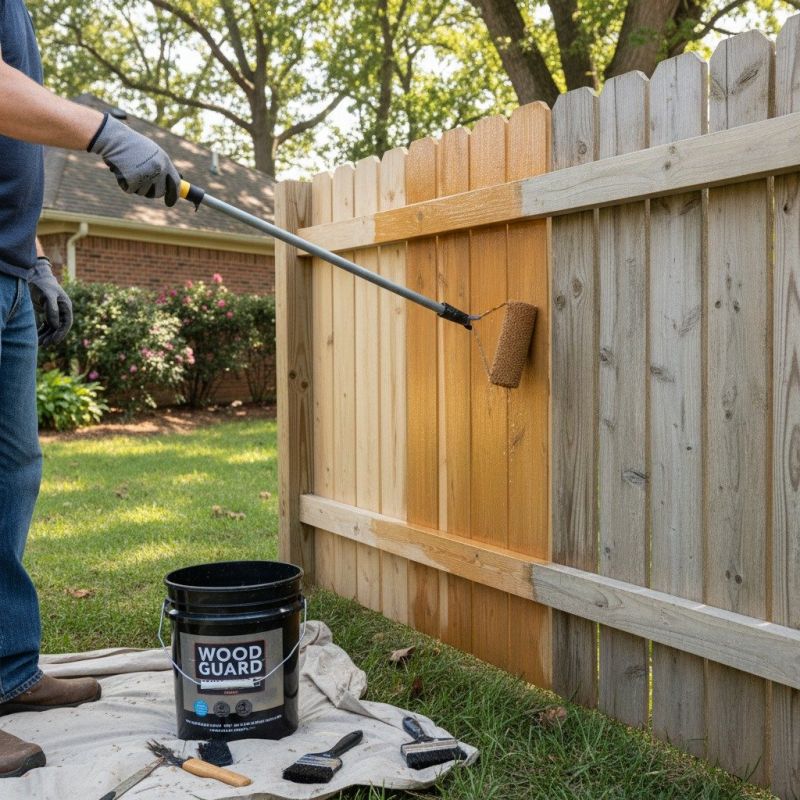
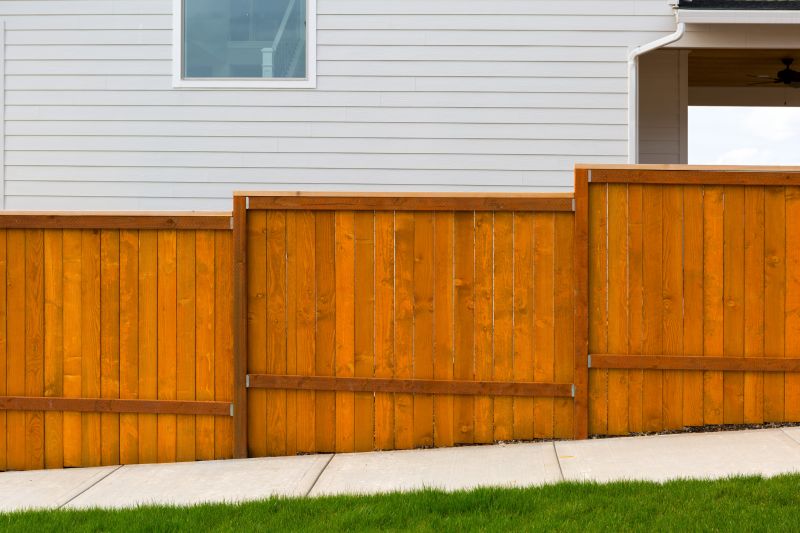
Fence sealing services involve applying a protective coating or sealant to existing fences, typically made of wood, vinyl, or other common fencing materials. This process helps create a barrier that shields the fence from moisture, UV rays, and other environmental elements. Proper sealing can enhance the appearance of the fence by giving it a fresh, well-maintained look and can also help prolong its lifespan by reducing the effects of weathering and aging. Local contractors specializing in fence sealing can assess the condition of a fence and recommend the appropriate type of sealant to ensure optimal protection and durability.
One of the primary problems that fence sealing helps address is exposure to moisture, which can cause wood fences to warp, crack, or rot over time. For vinyl fences, sealing can prevent staining and fading caused by sun exposure and dirt buildup. Additionally, sealing can help prevent the growth of mold, mildew, and algae that thrive in damp environments, which can compromise the integrity and appearance of the fence. Regular sealing is especially beneficial in areas with high humidity, heavy rainfall, or intense sunlight, as it provides a protective layer that keeps the fence looking and functioning its best.
Fence sealing is commonly used on residential properties, including yards, gardens, and driveways, where homeowners want to maintain the aesthetic appeal and structural integrity of their fencing. It is also popular among commercial property owners who need to keep their fences in good condition for security and aesthetic reasons. Fences made of wood, vinyl, or composite materials all benefit from sealing, especially when they are exposed to harsh weather conditions or require a fresh appearance. Property owners may choose to have their fences sealed as part of regular maintenance or when preparing a fence for a new season or sale.
Homeowners typically consider fence sealing services when their fences start to look dull, discolored, or show signs of weather-related damage. If a fence appears to be fading or developing cracks, or if there is visible mold or mildew, sealing can be an effective solution. It is also a good preventative step for those who want to extend the life of their fencing investment. By contacting local contractors experienced in fence sealing, property owners can find the right service to meet their needs, whether they want to restore an old fence or maintain a newer one for years to come.
The overview below groups typical Fence Sealing projects into broad ranges so you can see how smaller, mid-sized, and larger jobs often compare in your area.
In many markets, a large share of routine jobs stays in the lower and middle ranges, while only a smaller percentage of projects moves into the highest bands when the work is more complex or site conditions are harder than average.
Smaller Repairs - Typical costs for routine fence sealing projects range from $250 to $600, covering minor repairs or touch-ups on existing fences. Many standard jobs fall within this middle range, depending on fence size and condition.
Partial Sealing or Maintenance - For partial sealing or maintenance of a section of fence, local contractors often charge between $600 and $1,200. Projects in this range are common for homeowners looking to extend the lifespan of their fences.
Full Fence Sealing - Complete sealing of an entire fence usually costs between $1,200 and $3,000, depending on fence length and material. Many full projects land within this range, with larger or more complex fences reaching higher costs.
Full Replacement or Large-Scale Projects - Larger, more complex fence sealing or replacement projects can exceed $3,000 and may reach $5,000 or more. Such projects are less common but are necessary for extensive or high-end fencing systems.
Actual totals will depend on details like access to the work area, the scope of the project, and the materials selected, so use these as general starting points rather than exact figures.
Deck and Fence Painting - local contractors skilled in surface preparation and applying protective coatings for outdoor wood structures, similar to fence sealing preparation and finishing.
Wood Restoration and Staining - professionals experienced in restoring weathered wood surfaces and applying stains, which complements the sealing process for fences.
Outdoor Furniture Refinishing - service providers who prepare and finish wooden outdoor furniture, sharing techniques used in sealing and protecting fence materials.
Garden Structure Preservation - local experts in sealing and maintaining garden arbors, pergolas, and trellises, requiring similar planning and sealing skills.
Concrete Sealant Application - contractors specializing in sealing concrete surfaces, utilizing similar tools and surface preparation methods as fence sealing.
Siding and Exterior Surface Coating - service providers experienced in sealing and protecting exterior building surfaces, which involves comparable surface prep and application techniques.
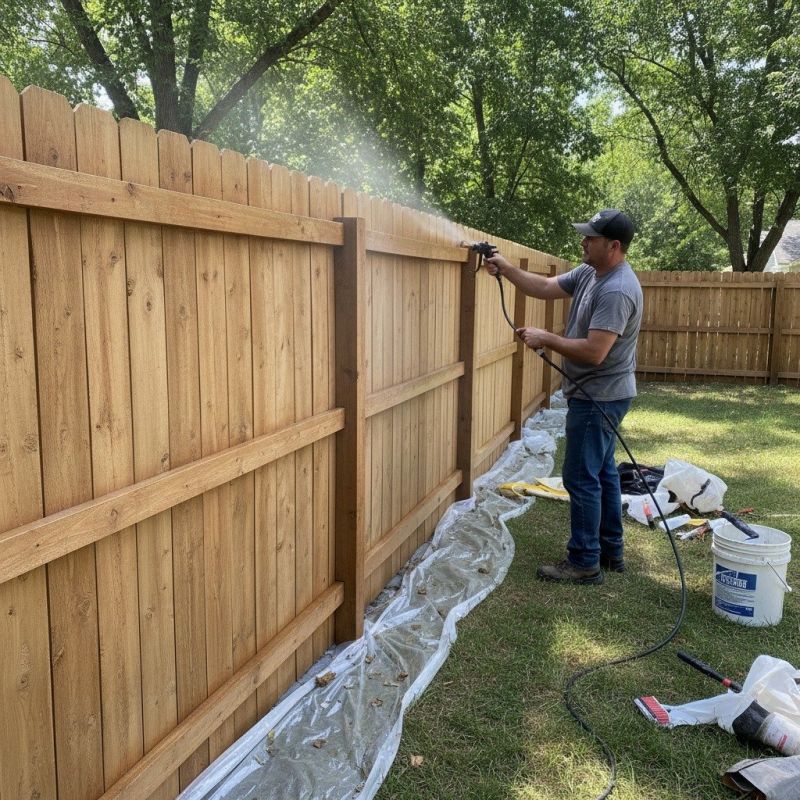
When comparing service providers for fence sealing, it’s important to consider their experience with similar projects. Homeowners should look for local contractors who have a proven track record of working on fences comparable in material, size, and style. An experienced professional will understand the nuances of different fencing types and be better equipped to deliver quality results. Asking about previous projects or requesting examples of completed work can help gauge a contractor’s familiarity with fence sealing and their ability to handle the specific needs of the property.
Clear, written expectations are essential to ensure both parties are aligned on the scope of work. Homeowners should seek out providers who can offer detailed descriptions of the services included, the materials used, and any preparations required beforehand. Having this information in writing helps prevent misunderstandings and provides a reference point throughout the project. It’s also beneficial to clarify what the service does and does not cover, so expectations are realistic and transparent from the outset.
Good communication and reputable references are key indicators of a reliable service provider. Homeowners are encouraged to inquire about references from past clients or reviews that highlight the contractor’s professionalism and work quality. Open, responsive communication throughout the process can make the experience smoother and more predictable. By focusing on local options that emphasize these qualities, homeowners can find service providers who are well-regarded in the community and committed to delivering satisfactory results on fence sealing projects.
Property owners use Fence Sealing services for practical projects around their homes and businesses. This guide focuses on everyday jobs and straightforward project options.

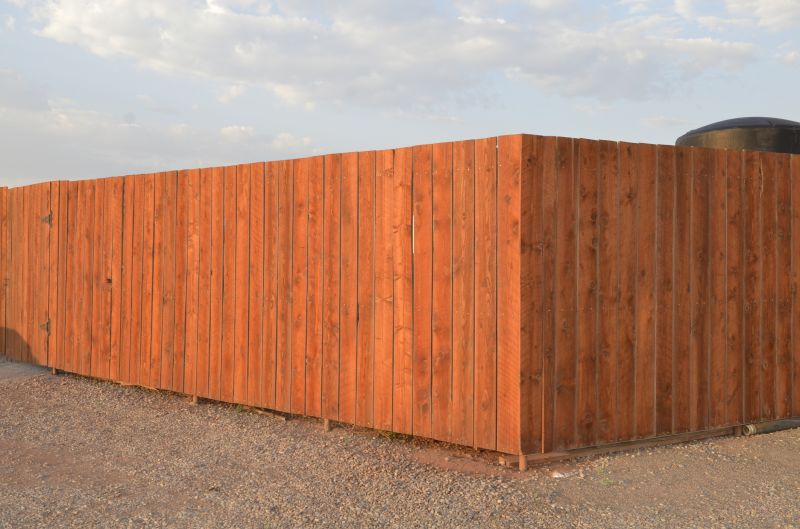
Fence sealing services are commonly sought after by property owners looking to protect their fences from weather-related damage, such as rain, snow, or sun exposure. Over time, unsealed fences can develop cracks, warping, or rot, which may lead to the need for costly repairs or replacements. Local contractors specializing in fence sealing can help preserve the integrity and appearance of fences, extending their lifespan and maintaining curb appeal.
Homeowners often consider fence sealing when preparing for seasonal changes or to prevent pests and moisture from penetrating the wood or material. Whether for privacy, security, or aesthetic reasons, many property owners turn to local service providers to ensure their fences remain durable and visually appealing. Connecting with experienced professionals can make it easier to find the right solution for maintaining fences in the local area.
What is fence sealing and why is it important? Fence sealing involves applying a protective coating to a fence to help prevent damage from moisture, UV rays, and pests, extending the lifespan of the fence.
How do local contractors prepare a fence for sealing? Contractors typically clean the fence to remove dirt and debris, then inspect for any damage before applying the sealant for optimal protection.
What types of fences can be sealed? Most common fence materials, such as wood, vinyl, and composite, can be sealed by local service providers to help maintain their appearance and durability.
Is fence sealing suitable for all climates? Fence sealing is generally beneficial in various climates, especially in areas with high humidity or intense sunlight, where protection from the elements is needed.
How often should a fence be resealed? The frequency of resealing depends on the fence material and environmental conditions, but many fences benefit from resealing every 2-3 years.
Protect Wooden Fences - Applying sealant helps preserve wood fences from moisture damage, extending their lifespan and maintaining appearance.
Prevent Fence Staining - Sealing concrete or metal fences can prevent staining and corrosion caused by weather exposure.
Enhance Fence Durability - Regular sealing can reduce cracking or warping in fences made of various materials, keeping them sturdy over time.
Improve Fence Appearance - Sealing can give fences a fresh look by enhancing color and texture, making outdoor spaces more inviting.
If you are thinking about Fence Sealing for a property, this guide is meant to help you understand the work, the typical project types, and how different options might fit your plans.
When you are ready, you can use the quote form on this page to share a few details about your project. From there, local pros can review the basics and respond with options that match what you have in mind.